
In today’s globalized society, communication across languages is not just an advantage—it is a necessity. Businesses, hospitals, schools, and government agencies in the USA encounter diverse communities that speak multiple languages. Clear communication ensures inclusion, trust, and effective outcomes. This is where interpreting translation services step in as a crucial bridge. These services provide accurate and culturally sensitive communication, breaking down language barriers that could otherwise lead to confusion, missed opportunities, or even serious consequences.
This article explores why interpreting translation services are essential in the USA, their benefits, industries that rely on them, and how organizations can access professional solutions for seamless multilingual communication.
What Are Interpreting Translation Services?
While many people confuse translation and interpretation, they serve different purposes:
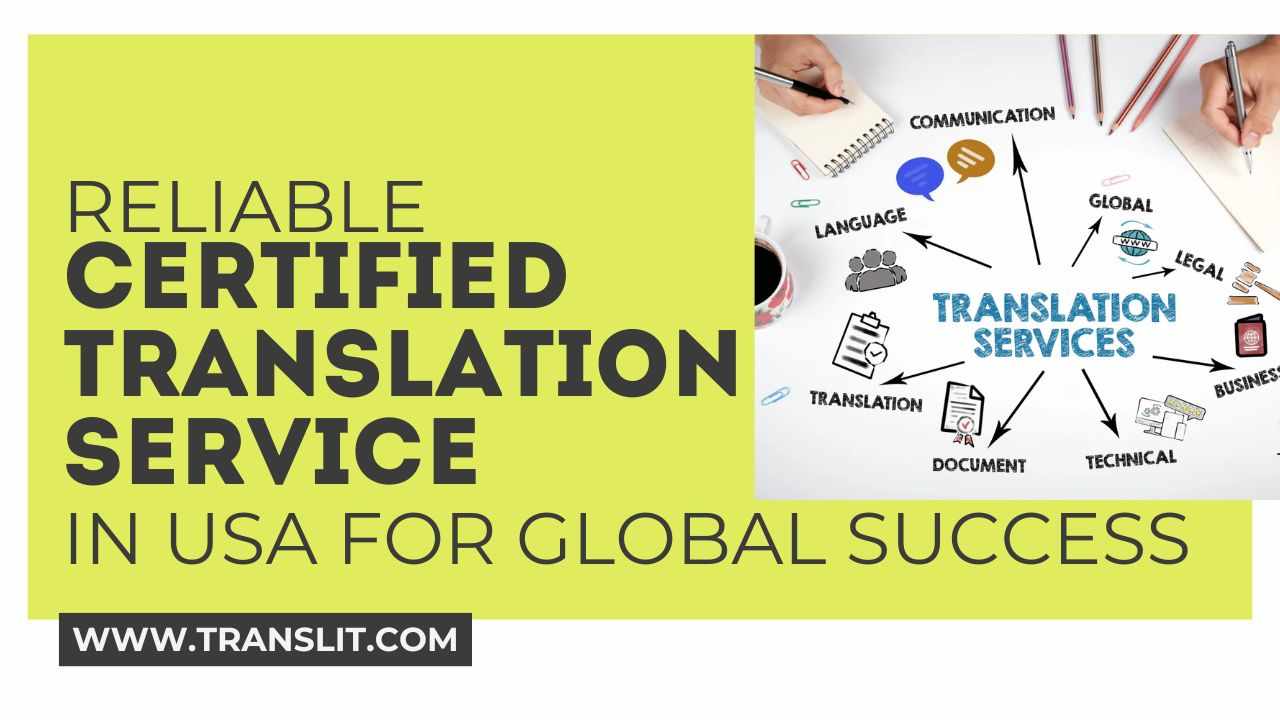
Translation: Written conversion of text from one language to another, such as legal contracts, medical reports, or technical manuals.
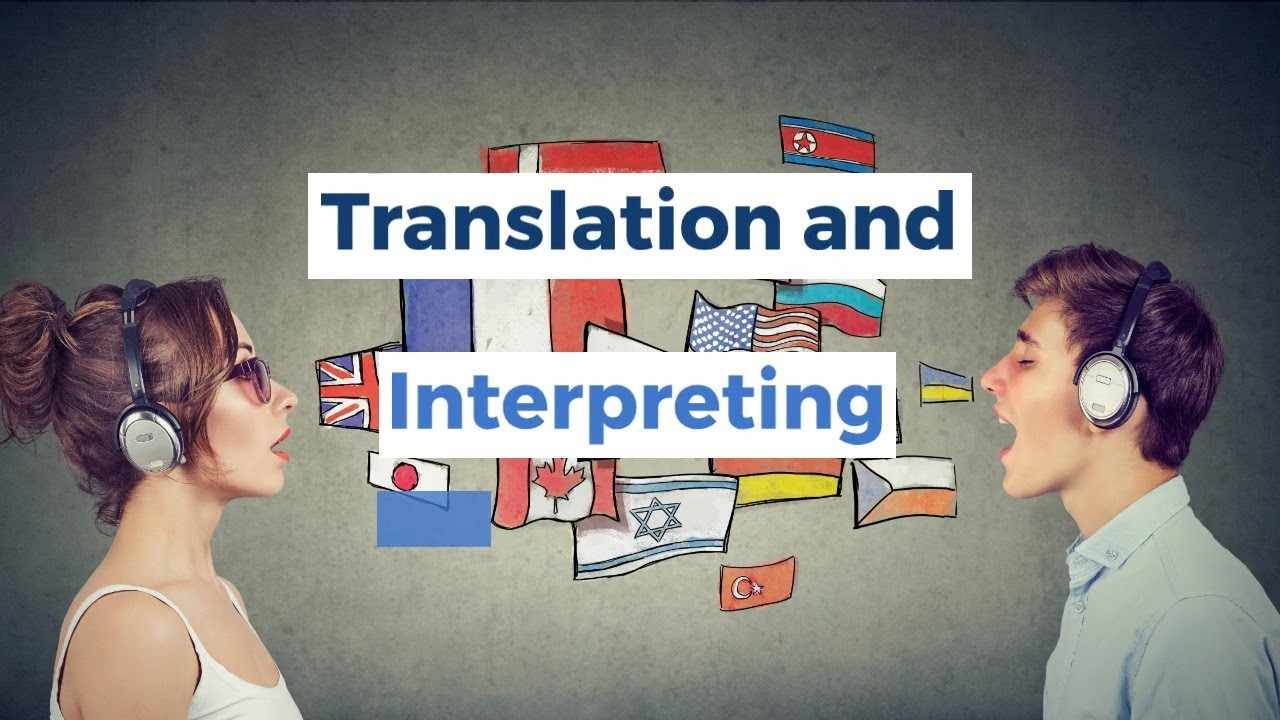
Interpretation: Real-time spoken communication between speakers of different languages, such as during hospital visits, conferences, or court hearings.
Together, interpreting translation services ensure both written and spoken communication are covered, allowing businesses and institutions to operate effectively in multilingual environments.
Why the USA Needs Interpreting Translation Services
The United States is one of the most linguistically diverse countries in the world. According to census data, over 350 languages are spoken across households. From Spanish and Chinese to Arabic, Tagalog, and Hindi, this diversity creates both opportunities and challenges.
Industries across the USA depend on interpreting translation services for several reasons:
Healthcare: Doctors and nurses need interpreters to explain diagnoses, treatments, and prescriptions clearly. Miscommunication in healthcare can be life-threatening.
Legal System: Courts rely on certified interpreters to ensure defendants, witnesses, and plaintiffs understand proceedings accurately.
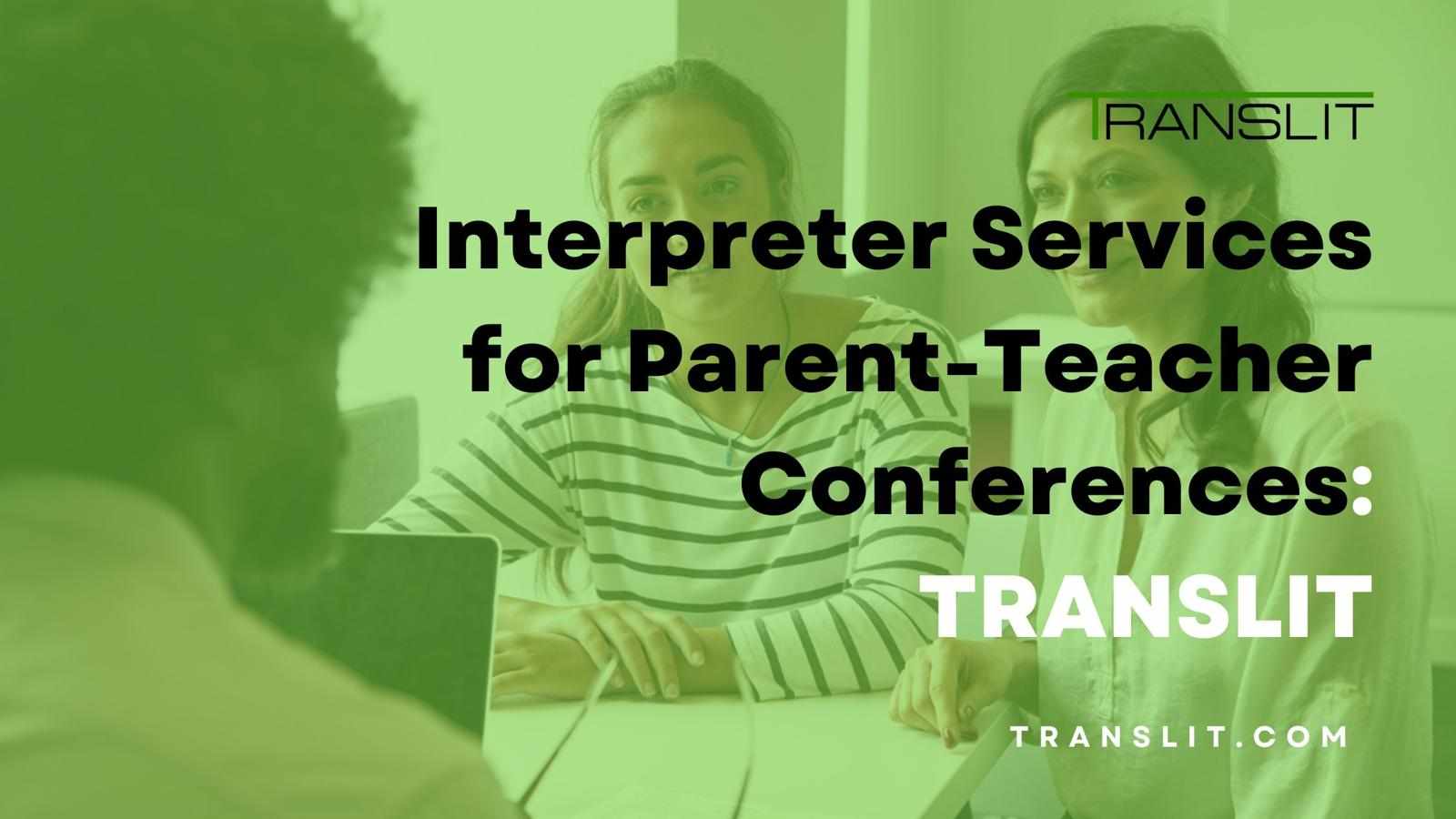
Education: Schools with non-English-speaking parents need interpreters to communicate about student progress, special education, and parent-teacher meetings.
Business Expansion: Companies entering multicultural markets need translation of contracts, marketing materials, and real-time interpreting for negotiations.
Government Services: Agencies offering immigration, social welfare, or public health support must ensure information is accessible to diverse populations.
Benefits of Professional Interpreting Translation Services
Choosing professional providers over ad-hoc bilingual staff or machine tools brings several advantages:
Accuracy and Reliability: Certified interpreters and translators provide precise communication, reducing misunderstandings.
Cultural Sensitivity: Professionals understand cultural nuances that impact how messages are received.
Confidentiality: Trusted services ensure sensitive information, especially in healthcare and legal sectors, remains secure.
Efficiency: Professional services save time, avoid delays, and help organizations meet compliance requirements.
Accessibility: Ensures equal access to services, fostering inclusivity and compliance with federal laws such as Title VI of the Civil Rights Act.
Types of Interpreting Translation Services Available in the USA
Organizations can choose from a variety of formats depending on their needs:
On-Site Interpreting – In-person interpretation for critical conversations, often used in courts or medical settings.
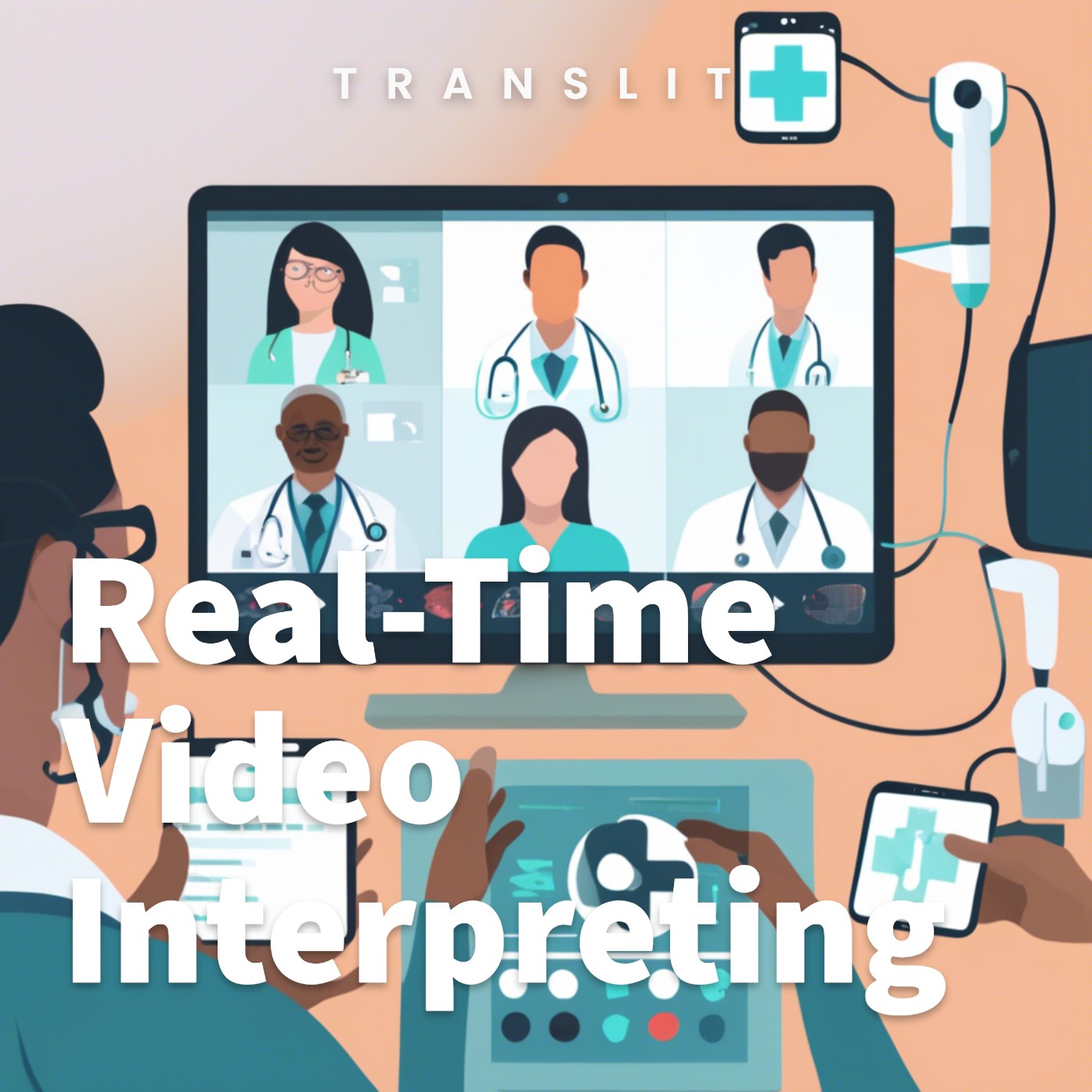
Video Remote Interpreting (VRI) – A fast, flexible solution for hospitals, businesses, and schools needing real-time multilingual support.
Telephone Interpreting – Cost-effective and available on demand for quick conversations across languages.
Simultaneous Interpretation – Common at international conferences where speakers and listeners need real-time communication without interruptions.
Consecutive Interpretation – Used in small group settings where speakers pause for the interpreter to translate.
These options provide flexibility for different industries, making communication more effective and adaptable.
The Role of Technology in Interpreting Translation Services
With advancements in technology, interpreting translation services in the USA are becoming more accessible and scalable. Video conferencing platforms now integrate interpreting features, while AI-powered tools support human interpreters with faster reference checks. However, while technology is useful, human expertise remains irreplaceable for accuracy, cultural understanding, and context.
How to Choose the Right Service Provider
Selecting the right interpreting translation partner in the USA requires careful consideration:
Certification and Credentials – Ensure interpreters are certified by recognized bodies.
Industry Expertise – Choose providers experienced in your sector (e.g., medical, legal, business).
Availability – Services should offer 24/7 access, especially for hospitals and emergency cases.
Scalability – Look for providers who can handle both small projects and large multilingual events.
Client Reviews and Case Studies – Check the provider’s track record for delivering high-quality results.
FAQs on Interpreting Translation Services in the USA
Q1. What is the difference between interpreting and translation?
Translation is written, while interpreting is spoken communication in real-time.
Q2. How much do interpreting translation services cost in the USA?
Costs vary depending on language, duration, and type of service (in-person, video, or phone). Hourly rates are common for interpreters, while translation is usually per word or page.
Q3. Do hospitals in the USA have to provide interpreters?
Yes. Under federal law, hospitals receiving federal funding must provide language access services to patients with limited English proficiency.
Q4. Are online interpreting services reliable?
Yes, with the right provider, video and phone interpreting are highly reliable and convenient. They also save costs compared to on-site services.
Q5. Can businesses use interpreting translation services for global expansion?
Absolutely. Companies entering new markets use these services for negotiations, contracts, and marketing to ensure success across cultures.
Conclusion
In a diverse country like the United States, interpreting translation services are vital for clear communication, inclusivity, and success across industries. From healthcare and legal systems to education and global business, these services ensure that no one is left behind due to language barriers. With professional interpreters and translators, organizations gain accuracy, cultural sensitivity, and trust.
For businesses, hospitals, and institutions looking to connect with multicultural communities, partnering with an experienced provider ensures efficiency and compliance. That’s why many organizations rely on trusted leaders like TRANSLIT, who deliver high-quality interpreting translation services across the USA with professionalism and care.





Write a comment ...